If you've ever filed a collision claim, you've probably seen this line on an estimate: "LKQ" or "A/M" next to a part. Most people don't ask what those acronyms mean. They should — because the answer affects how safely the car drives, how it looks in a year, and how much it's worth when you sell it.
Here's the plain-English breakdown.
The three kinds of replacement parts
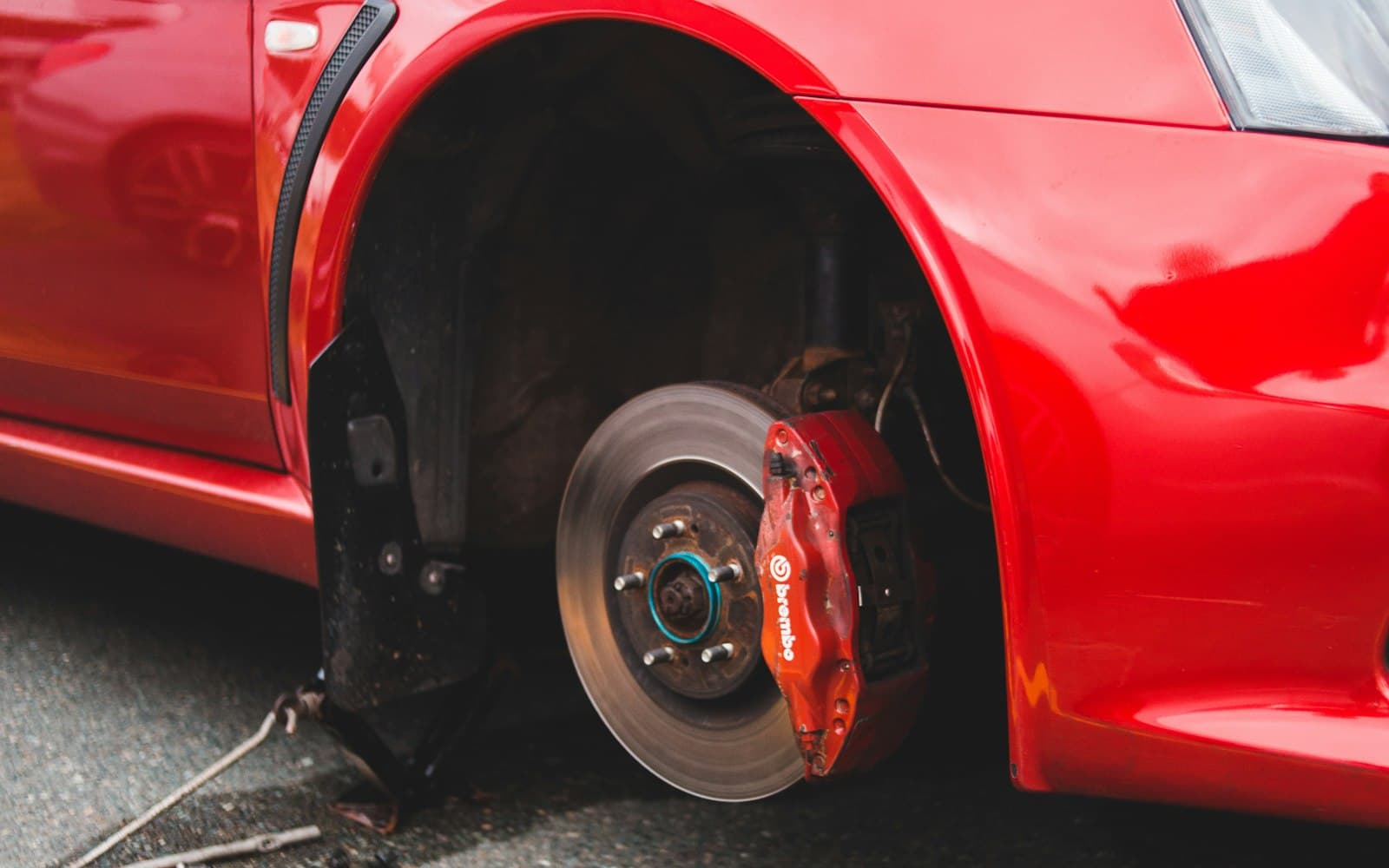
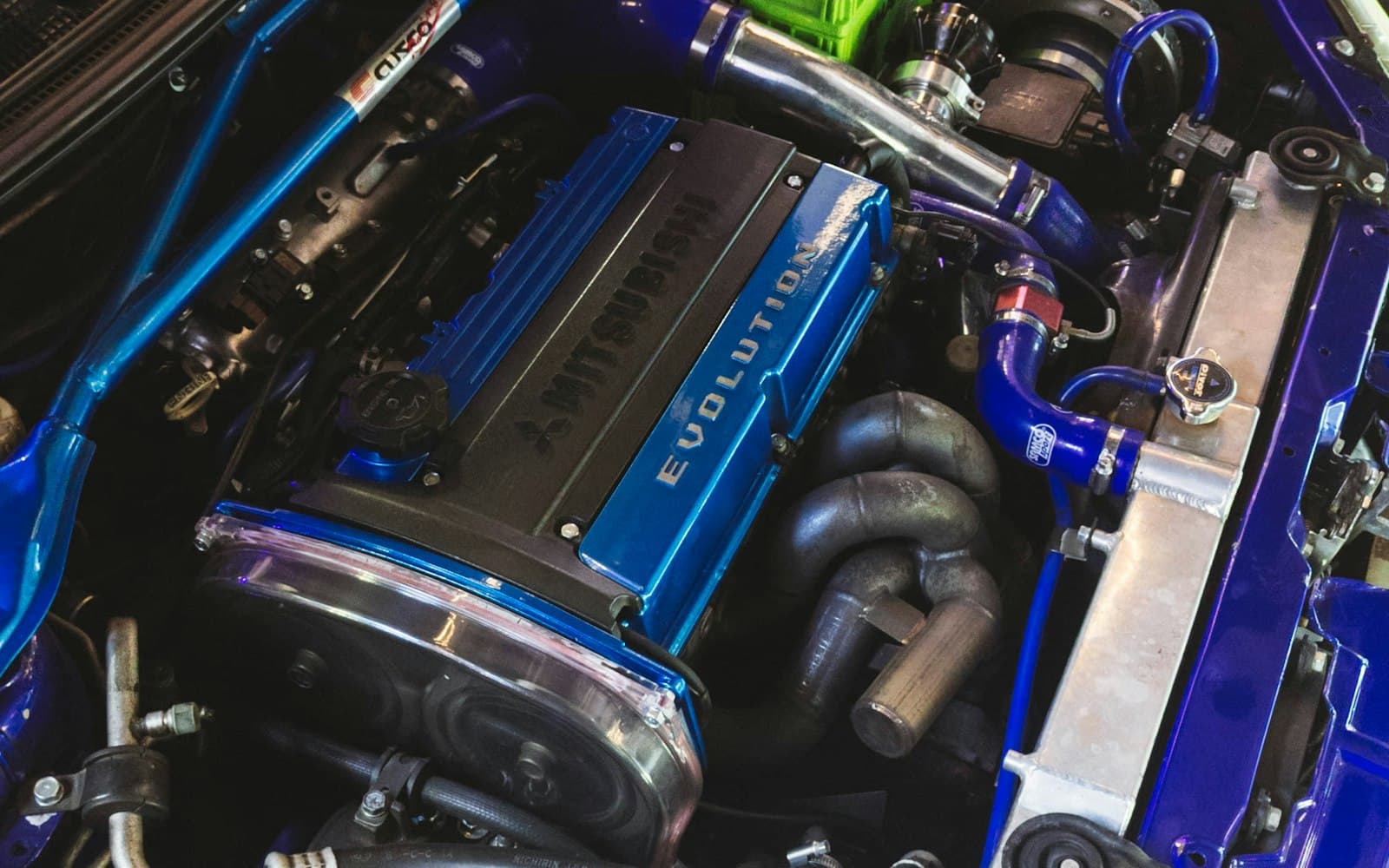
OEM (Original Equipment Manufacturer) parts are made by — or for — the company that built your car. A Toyota OEM bumper comes from the same factory and is built to the same spec as the bumper your car rolled off the lot with. They're the gold standard for fit, finish, and crash performance.
Aftermarket (A/M) parts are made by third-party suppliers. Some are excellent and indistinguishable from OEM. Many are not. The body lines may not match up perfectly, the plastic may be a slightly different shade, sensor mounts may be off by a few millimeters. On older cars or low-stakes parts (a non-structural fender on a 12-year-old commuter), aftermarket is often fine. On a newer car, on anything structural, or on anything that interacts with safety sensors — it gets risky.
LKQ (Like Kind and Quality) is the polite term for "used parts pulled from a salvage yard." A 2-year-old door from a wrecked car of the same year/make/model can be a perfectly good economy choice. A door from a car of unknown crash history is gambling with your safety.
Why insurance companies prefer non-OEM
It's purely cost. Aftermarket and LKQ parts can be 30–60% cheaper than OEM. Multiply that across the millions of claims a carrier processes per year and the savings are enormous.
Your policy may give the carrier the right to specify aftermarket or LKQ parts on certain repairs — particularly on older vehicles. Check your policy. Some endorsements (often called "OEM endorsements" or "new parts coverage") guarantee OEM parts. If you didn't pay extra for that endorsement, the default is whatever the carrier specifies.
When OEM actually matters
Not every part needs to be OEM. A radiator support panel that's hidden behind a bumper cover? Aftermarket is usually fine. But for these, push back hard:
- Structural parts — frame rails, B-pillars, anything load-bearing in a crash
- Crumple zones and reinforcements — engineered to absorb energy at specific failure points
- Airbag-related parts — sensor mounts, dash structure, seat belt anchors
- ADAS calibration parts — bumpers and grilles on cars with radar, cameras, or lidar sensors
- Aluminum body panels — fit and finish on aluminum is harder to match with aftermarket
- Plastic bumper covers on luxury or specialty vehicles — paint and fit issues are very visible
How to push back
If your estimate has aftermarket or LKQ parts you want replaced with OEM, you have options:
- Ask for an OEM supplement. Your shop writes the supplement; your adjuster approves or denies. Many will approve OEM if the safety case is clear.
- Pay the difference yourself. Often the OEM upgrade is $200–$400, which is reasonable for a part you're going to drive on for a decade.
- Cite the manufacturer's position statement. Tesla, Honda, Ford, BMW, and many others have published statements requiring OEM parts on specific repairs. Most adjusters will honor a manufacturer position statement when it's presented.
How we handle it
When we write an estimate at All Magic, we lead with OEM on anything structural, safety-related, or visible. We document the manufacturer position statement where one exists. If your carrier pushes back, we negotiate the supplement on your behalf. If the carrier still refuses and the part affects your safety, we tell you — clearly, in writing — what we'd recommend and what the cost difference is. The decision is yours.
Bottom line
Aftermarket isn't the enemy. Bad aftermarket on the wrong part is. If your insurance estimate has "A/M" or "LKQ" next to anything load-bearing, anything sensor-related, or anything on a car less than 5 years old — ask questions. A good shop will walk you through it line by line.
Have an estimate you want a second opinion on? Send it our way and we'll review it for free.